Clarksburg’s Mid-Century Homes: What Buyers Should Inspect Closely
What to Look for in Clarksburg’s Mid-Century Homes
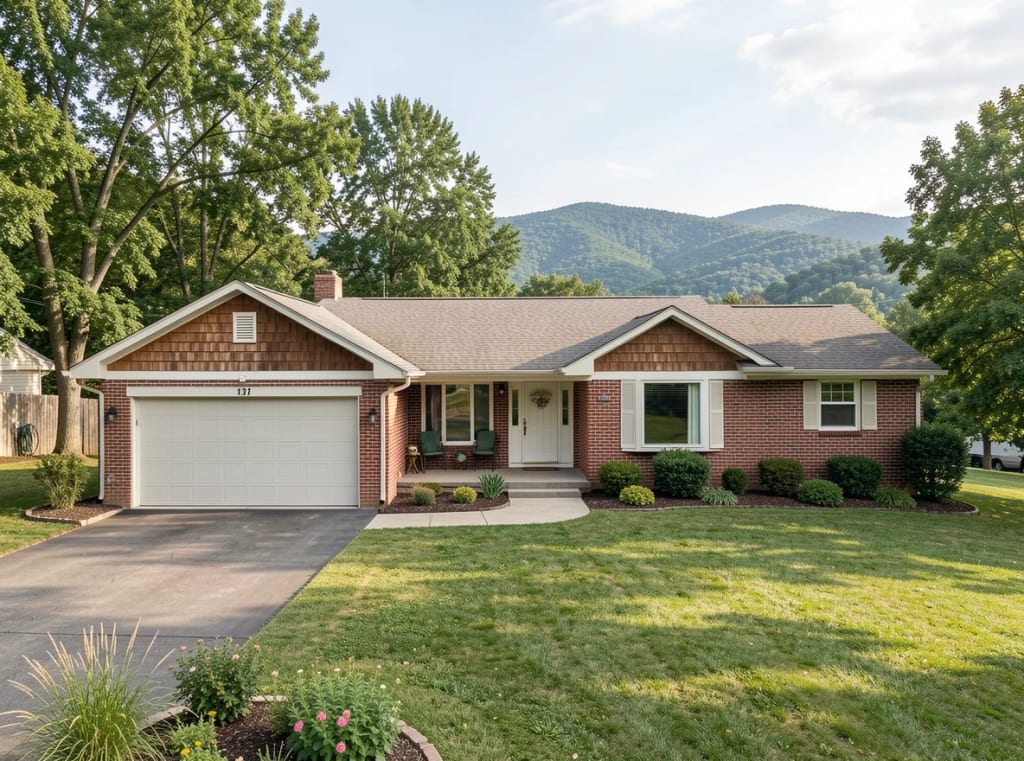
Mid-century homes can be irresistible. In Clarksburg, they often offer clean rooflines, generous windows, practical floor plans, and lots that feel more established than what many newer neighborhoods provide. Buyers are drawn to the character, the mature landscaping, and the sense that these homes were built with a confident simplicity that still feels current today. But charm should never distract from inspection priorities, especially when a property is several decades old and may have gone through layers of updates over time.
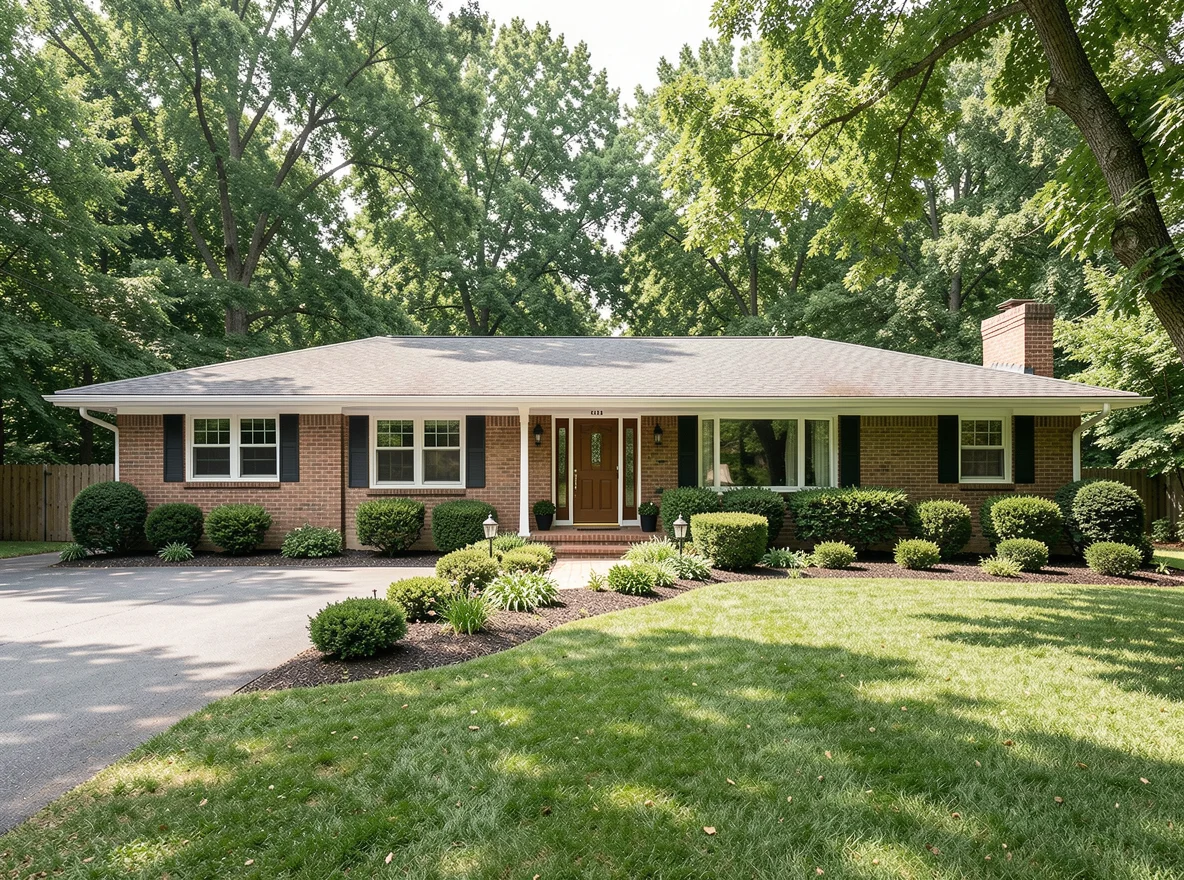
That is especially true in a market where older housing stock can move quickly if it has been updated well. Some homes in the area have been lovingly maintained by long-term owners, while others have cosmetic upgrades that look fresh online but leave larger systems unanswered. Buyers should approach every showing with both appreciation and discipline: admire the design details, then ask hard questions about structure, mechanicals, drainage, and materials that may no longer perform the way modern households expect.
Start with the bones. Foundations, framing, roof condition, and water management deserve close attention before stylish staging or new paint wins the day. Mid-century properties may have settled over time, and not all cracking means disaster, but stair-step masonry cracks, sloping floors, sticking doors, or signs of recurring moisture deserve a deeper look from qualified inspectors. Outside, pay attention to grading, downspout placement, and whether water is being directed away from the home. A beautiful ranch on a leafy lot can still have basement seepage or crawl space moisture if drainage has been neglected for years.
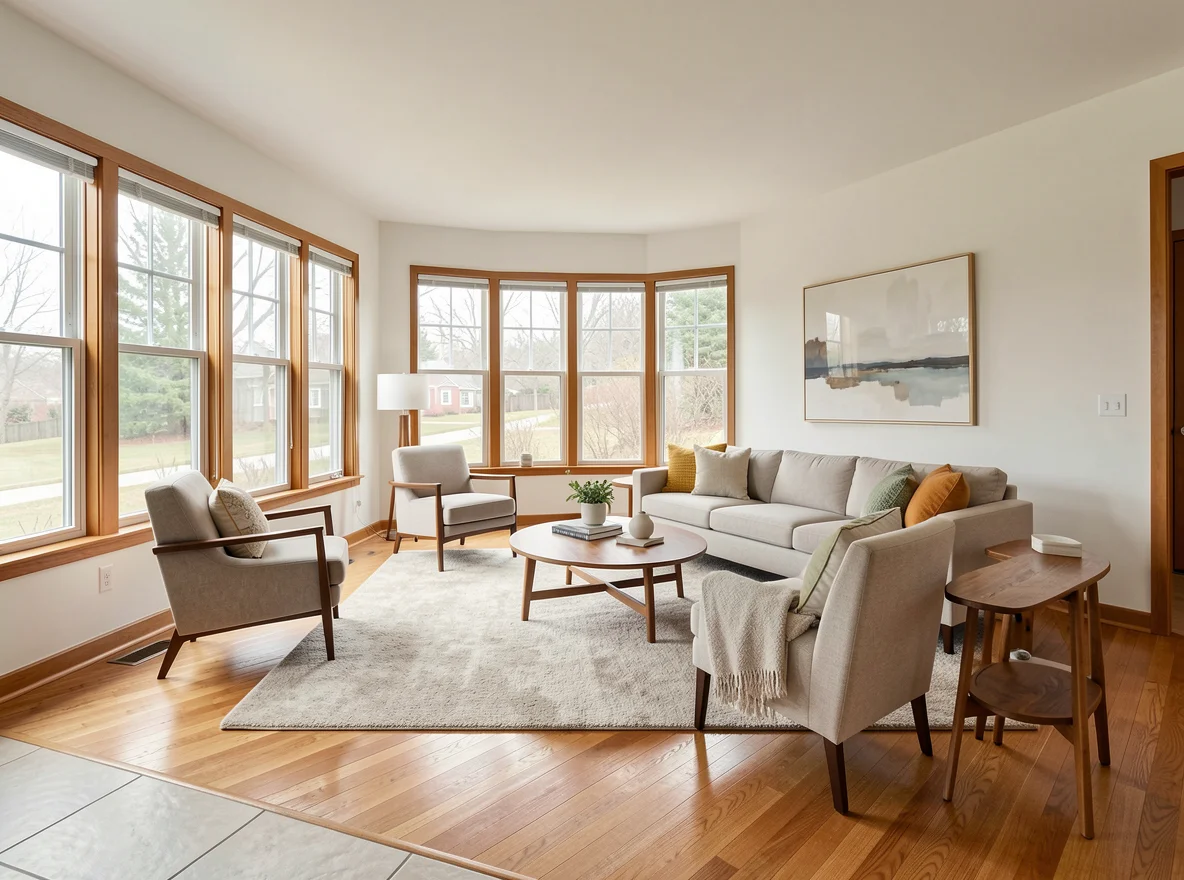
Windows are another major checkpoint. Many buyers love the large panes and bright interiors common in this era, but original windows can come with failing seals, air leaks, wood rot, or outdated glazing. Replacements are not necessarily a problem, but inconsistent replacement quality can be. Look carefully at trim, flashing, and signs of condensation or soft framing around openings. If a home still has portions of its original envelope, an inspector can help determine whether you are buying into simple maintenance, a larger energy-efficiency project, or potential hidden water intrusion.
Systems Matter More Than Surface Updates
Once the structure checks out, turn your attention to the systems that determine everyday comfort and long-term cost. Electrical service is a frequent issue in older homes, particularly if kitchens, additions, or finished lower levels were updated without a full modernization of the panel or wiring. Buyers should ask whether the service capacity supports current appliance loads, whether outlets are grounded, and whether any outdated components remain. Even a house that presents beautifully can hide a patchwork of old and new electrical work behind the walls.
Plumbing deserves the same scrutiny. Depending on age and renovation history, a home may contain galvanized pipes, older drain lines, or a combination of materials installed over several decades. Water pressure, visible corrosion, slow drains, or stains under sinks can all point to bigger repair items ahead. If the property has a finished basement, utility closet, or laundry area, spend extra time there. Those less glamorous spaces often tell the most honest story about maintenance habits.
Heating and cooling can also vary widely from house to house. Some mid-century homes were built for a very different standard of insulation and air sealing than buyers expect today. An upgraded HVAC system is a plus, but it should be matched by proper ductwork, attic insulation, and venting. Otherwise, you may inherit hot rooms, cold rooms, humidity issues, and utility bills that feel out of step with the home’s size. Ask about the age of the furnace, heat pump, air conditioner, and water heater, and whether service records are available.
Then there are the materials that often come up with older homes: asbestos-containing floor tiles or pipe wrap, lead-based paint in original surfaces, aging caulk around tubs and windows, and insulation standards that may be obsolete. None of these automatically makes a property a bad buy. What matters is knowing what is present, what has been professionally remediated, and what should be budgeted after closing. The goal is not to avoid every older-home issue; it is to buy with full clarity.
Inside the kitchen and baths, look beyond polished countertops and trendy fixtures. Renovations in these rooms add appeal, but they also conceal a lot. Buyers should inspect cabinet installation quality, tile cracking, venting, exhaust performance, and whether updated finishes were paired with smart behind-the-wall work. A newly renovated bathroom without proper ventilation can become a moisture problem surprisingly quickly. A sleek kitchen with beautiful cabinetry is less impressive if the plumbing under the sink is improvised or the outlets are poorly placed and underpowered.
Lifestyle, Neighborhood Value, and the Bigger Buying Picture
Of course, homes are never just about systems and repair lists. Part of Clarksburg’s appeal is the broader lifestyle that surrounds the purchase. Buyers are often drawn to the balance of residential calm and everyday convenience, with access to commuter routes, neighborhood amenities, green space, and the practical rhythm that makes a community feel livable rather than merely attractive on paper. Mature homes in established settings can feel especially rewarding for buyers who want individuality without sacrificing access to modern essentials.
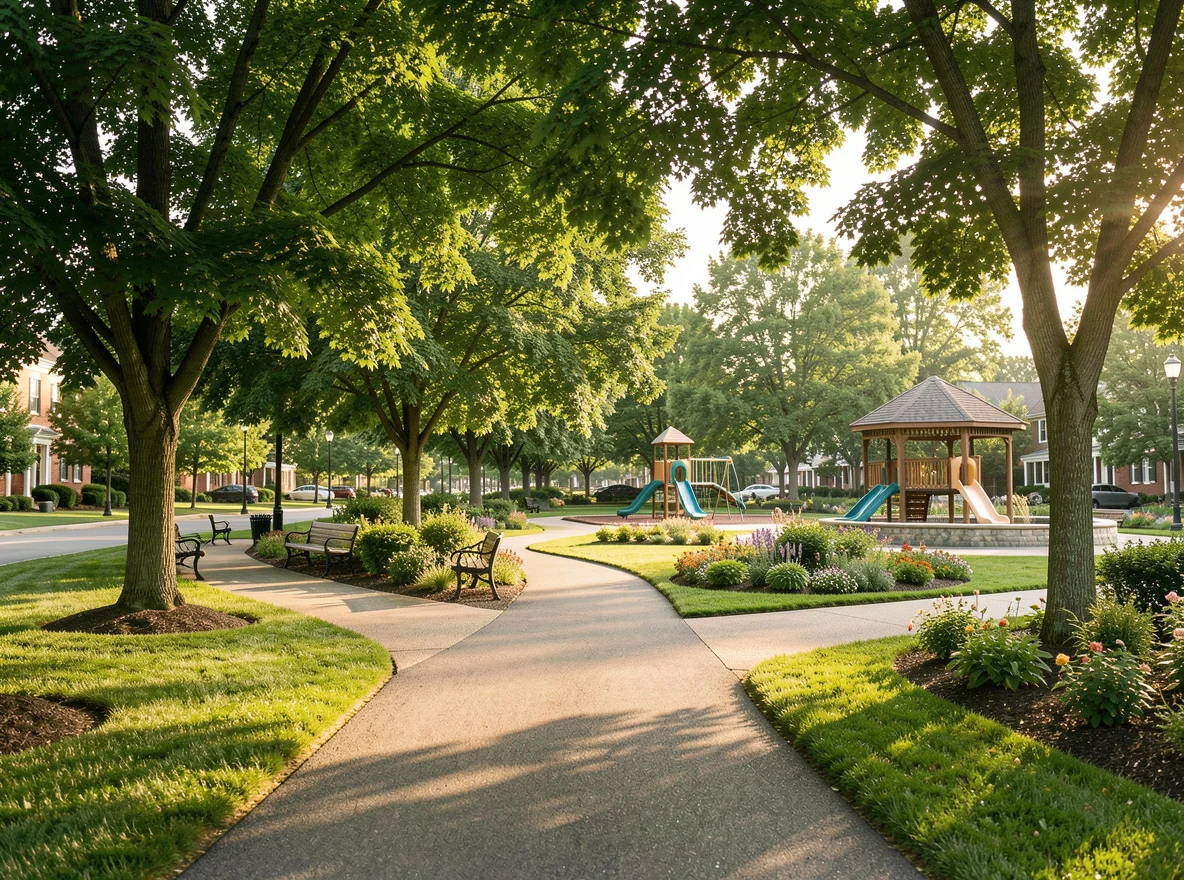
For households thinking long term, schools, recreation, and nearby daily conveniences all factor into value. Parks, walking areas, and community gathering spaces contribute to how a neighborhood feels week after week. Local dining and casual hangouts matter too, not just as perks but as signs of a place people actively use and enjoy. When evaluating a mid-century home, it helps to think beyond the lot line: does the surrounding area support your lifestyle, and will it remain desirable if market conditions shift?
From a resale perspective, thoughtful inspections can protect both your budget and your future flexibility. Buyers who understand roof age, drainage conditions, electrical capacity, window performance, and plumbing materials are in a stronger position to negotiate wisely. They can decide whether to proceed confidently, request repairs, or reserve funds for post-closing improvements. In many cases, the right mid-century home is not the flawless one. It is the one with known issues, solid underlying quality, and a realistic path forward.
That is where working with an experienced real estate team becomes especially valuable. Quick Sales Realty helps buyers look past staging and identify the practical questions that matter before an offer becomes a commitment. In a character-rich segment of the market, careful guidance can make the difference between buying a home with enduring appeal and buying a project bigger than expected. Clarksburg’s mid-century homes still have plenty to offer; the smartest buyers simply make sure the inspection is as timeless as the architecture.